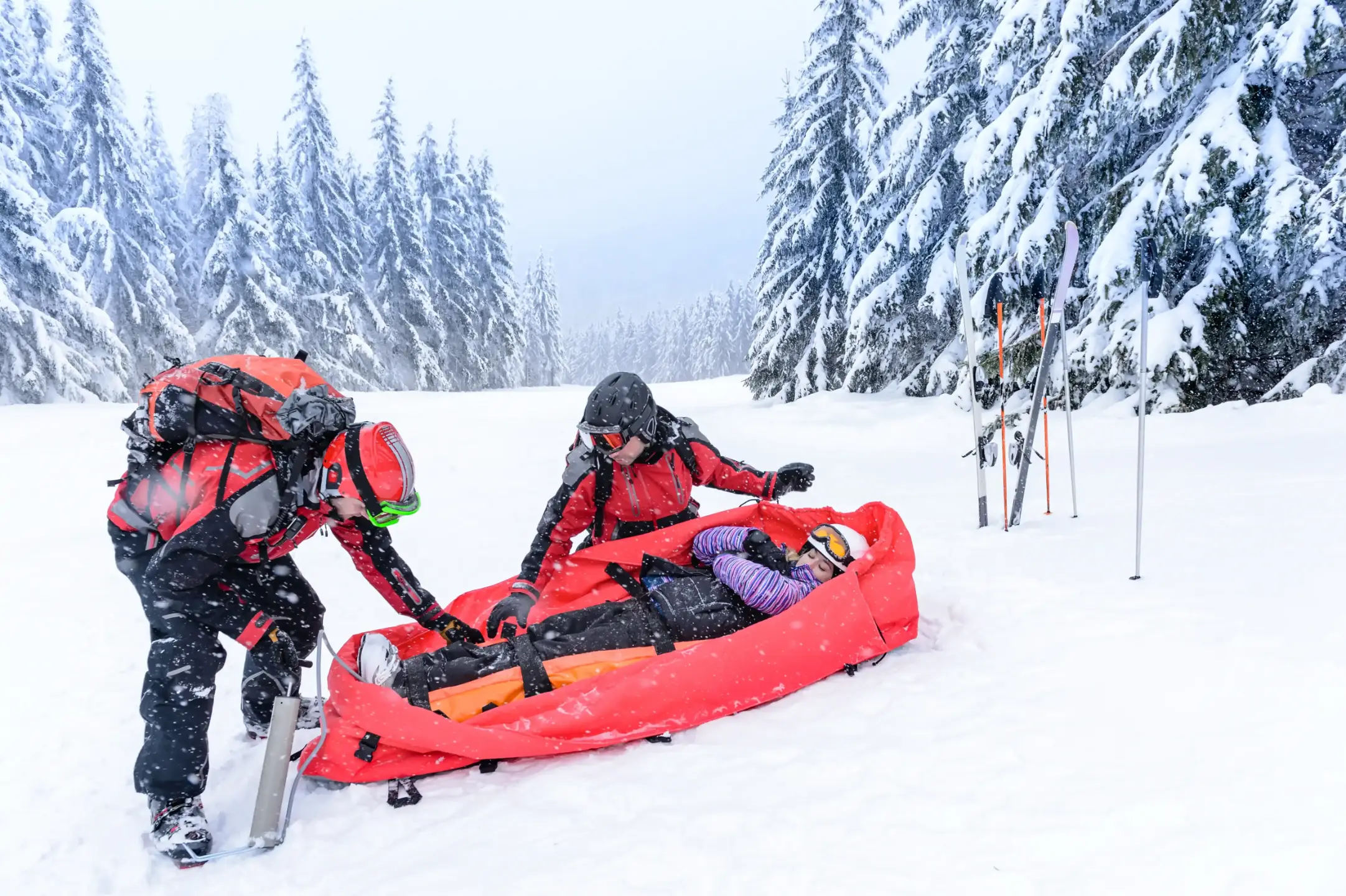
You're first on the hill and last off. You patrol, instruct, guide, groom, rescue, or support. Whatever the day needs, you're the strong, dependable one.
But somewhere between early calls and back-to-back seasons, taking care of yourself turned into an afterthought. The knee that aches by mid-afternoon. The low back after a long shift. The legs that feel heavier in March than they did in November. You're running more on grit than on strength.
And you've probably noticed that some people around you are doing it differently. The patroller who seems stronger than they were five years ago. The instructor who came back from an injury faster than anyone expected. The guide with a real intent for training, for recovery, and for how long they want to keep doing this work.
They didn't just get lucky. They got support and formed a plan.
Most mountain pros got the same old advice: "stay fit," "stretch more," "listen to your body." Nobody handed you a system built for what your job demands, or a crew figuring it out with you.
That's not your fault. But what happens next is your call.
Every season you watch someone strong and skilled go down with a knee injury and disappear from the mountain for months. That ache you keep brushing off isn't the problem. It's the warning light. And the pros who last are the ones who don't wait for it to flash.